
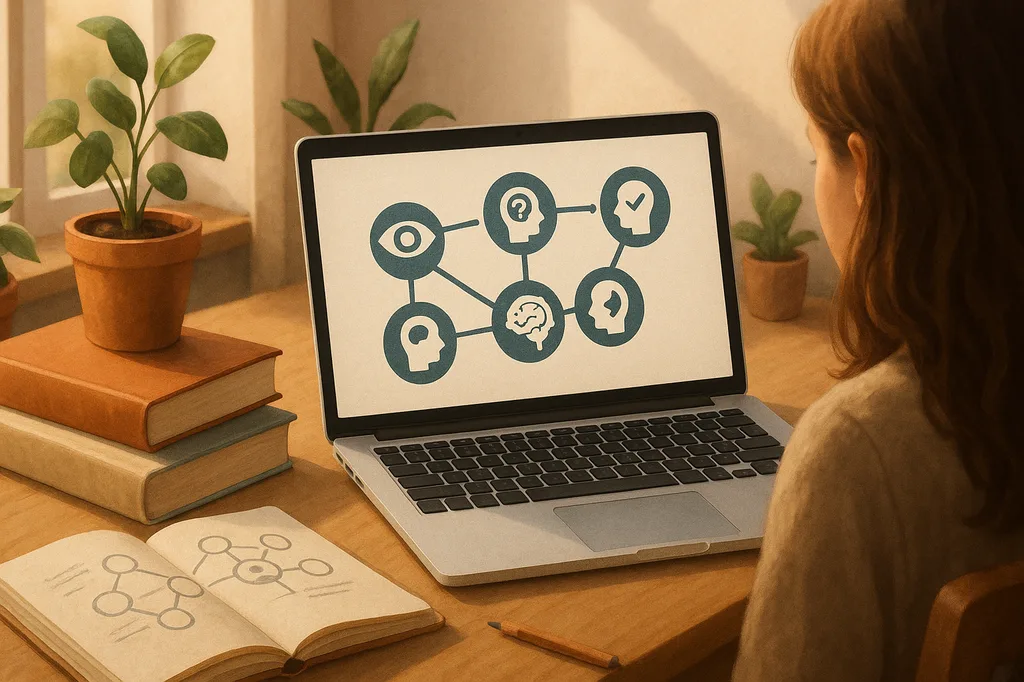
What people do with information: attention, beliefs, and decisions
An author map of how people notice, interpret, evaluate, remember, and pass on information — and why the same message produces different outcomes.
Articles and notes on learning, programming, and HiddenLogic materials.
No articles match your search.
An author map of how people notice, interpret, evaluate, remember, and pass on information — and why the same message produces different outcomes.
What people call an engineering mindset, which abilities sit behind it, what genes contribute, and what environment, interest, and practice build — without a myth of an “engineer gene.”

Generative AI shortens the path from one person's idea to someone else's attention, emotion, and action. Production capacity grows; influence still depends on trust.

Why GPT-4 raises practice scores and lowers them after it is turned off, what meta-analyses and PISA 2025 say, and how to use AI so the skill stays with you.
Turn everyday life into a mental-math gym: store, kitchen, money, time, transport, percentages, estimate-first habits, mini-games, and a 30-day challenge.
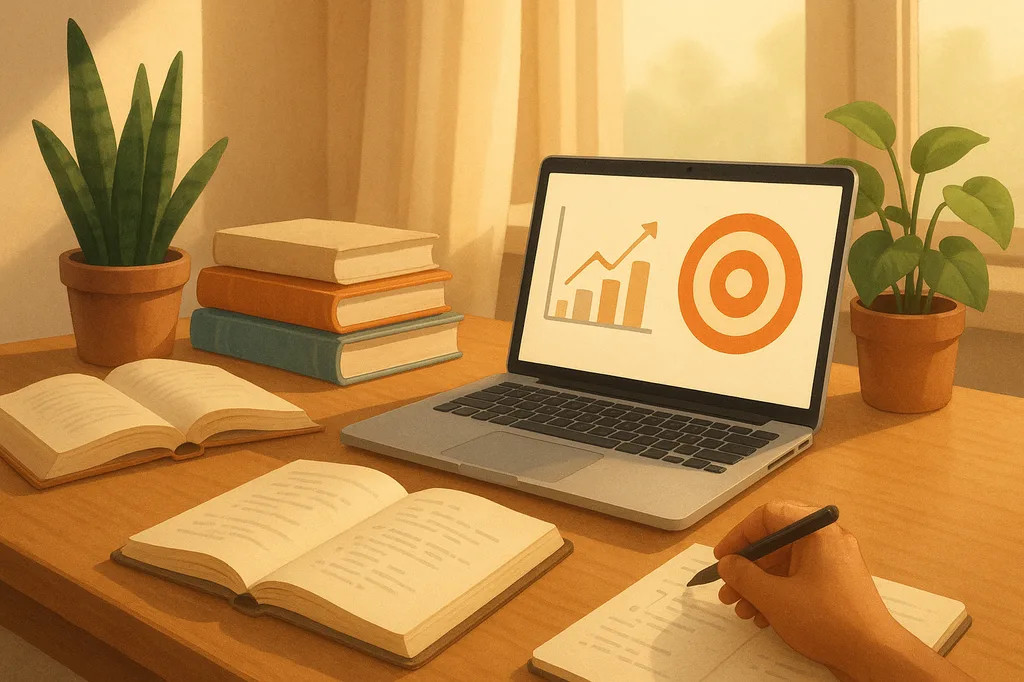
Ten thousand hours is not a guarantee of expertise. This guide explains deliberate practice, what the evidence shows across domains, and how to design short sessions with a target, stretch, and feedback.
Train memory in 5–15 minutes a day: recall the day, lists, names, teach-back, routes, digits, cards, and a 30-day plan — without brain-game apps.

A plain-language guide to neural network training: neurons, weights, datasets, loss, backpropagation, overfitting, generalization, and a CRNN walkthrough.

Across six lab experiments, undergraduates learned true vs non-true experiments equally from classification or observation; explanation feedback helped more than a label alone.

In 253 UK psychology students, 90-second micro-breaks every 10 minutes lifted class quiz accuracy versus a single 10-minute break — though scores still fell as the 90-minute seminar went on.

In lab and online studies (~250 people each), only questions about the lecture just watched boosted learning of the next STEM video segment versus rereading slides.
A US survey of 151 students, 191 teachers, and 143 parents found high ratings for retrieval and spaced restudy, but low familiarity and trust in interleaving.

A 28-day web trial: repeating self-compassion and gratitude kept stress lower at three months than a new mindfulness exercise every day. Analytic n=98 after heavy exclusions.

In 459 students, Bad News, a fact-checking workshop, and subject literacy units showed no clear delayed gain in spotting true vs false news after three months.

Procrastination is not laziness. It is a delay of an aversive start — often to repair mood. This guide shows how motivation, task design, retrieval, and AI interact, and what actually gets you to open the work.

A 2025 review: medicine, nursing, and dentistry embraced recall as study, not only assessment, after 2010 — while students still default to rereading and mismatched question banks.

Ninety final-year Indian medical students: custom cards at 1–3–7–14–28 days raised a 20-item test from 11.4 to 16.2; the traditional-study group barely moved.
Seven experiments: varying sentences or questions across spaced retrieval beat identical cues, even after 24 hours. Learners still rated the same prompt as better.

Daniel Willingham on why thinking is hard, why knowledge fuels skill, why we remember what we think about, and why learning styles are a poor guide to lessons.
Discipline is not willpower. It is a chain of trainable skills — energy, attention, impulse control, small actions, feedback, and habits — that make long-term learning possible.
Learning ability does not vanish with age. Processing speed and working memory shift; knowledge, strategy, and plasticity remain. How to study as a child, adult, or later-life learner — and what AI can and cannot compensate.

When intelligence is available on demand, the scarce skills shift from memorising facts to models, verification, task framing, and the courage not to outsource thinking too early.

Languages are not stored in separate brain folders. How multilingual minds share networks, compete, switch, forget, and what that means for AI.
Twenty-five teenage athletes improved stance and reach after equal-volume balance training; massed and distributed schedules looked similar on most tests.

A qualitative study of 82 reflective essays from graduate-entry medical near-peer teachers found a cognitive toolkit plus a humanistic classroom frame.

Use self-regulated learning as the operating system behind planning, monitoring, strategy choice, motivation, environment design, retrieval, spacing, and AI.

In 799 first-year nursing students across 19 Norwegian campuses, flashcard users scored higher; assigning the deck to a campus was not enough by itself.

What Anki is, how spaced retrieval works in decks, DEAME card design, FSRS vs SM-2, first-50 workflow, burnout, medical-school evidence, and when not to use Anki.

AI digests flatten claims, evidence, and interpretation — here is a short method to recover what the summary quietly dropped.

When two things move together, the story may still be reverse cause, a third factor, or chance — a short method for careful readers.

Recognise common reasoning shortcuts in news and social posts — without turning every disagreement into a Latin-name contest.

Why read in the age of AI, speed vs depth, habit and forgetting, print and audio, notes and summaries — thorough answers to common questions about reading books.

How practice builds expert intuition, why study feelings mislead, and how knowledge indirectly changes emotions and your ability to work with them.

When AI gives instant explanations and drafts, durable learning shifts toward goals, transfer speed, fundamentals, and habits that keep you thinking — not just consuming.

Julia Galef on soldier vs scout thinking, motivated reasoning, identity, and habits that make updating less painful — for study, work, and media.

Twelve books for learners and educators—six on how learning works, six on clearer judgment—plus a forthcoming digest series on HiddenLogic.

An expanded digest of Brown, Roediger, and McDaniel on retrieval, spacing, interleaving, desirable difficulties, and illusions of mastery — for study and teaching.

Close the source, rebuild the structure on a blank page, then check gaps. A practical active-recall workflow for chapters, lectures, and meetings.
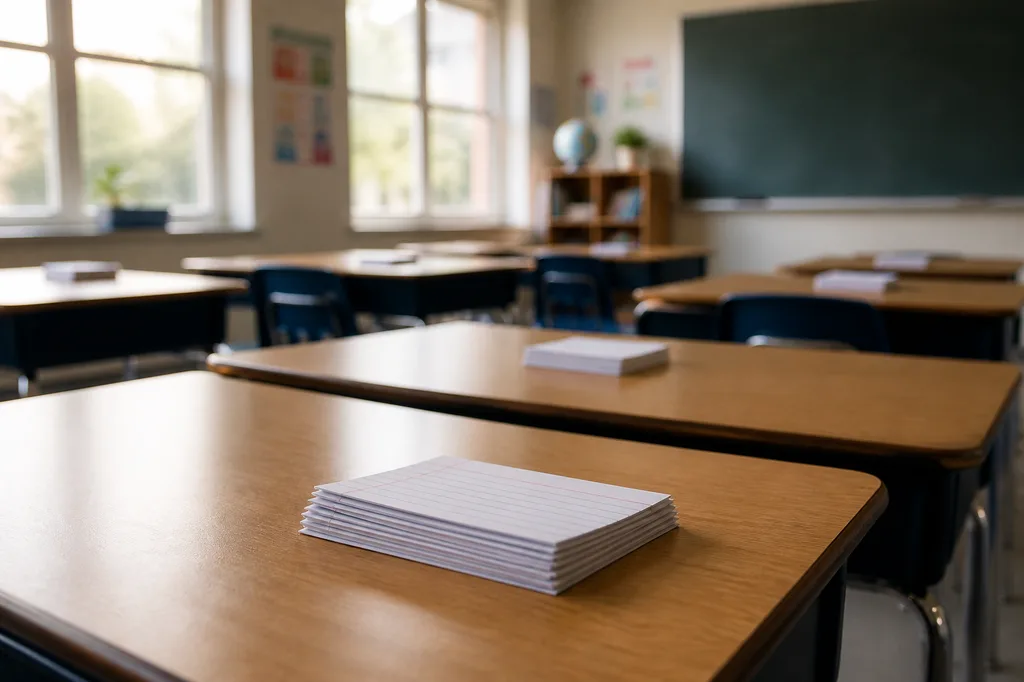
Use brief classroom quizzes, exit tickets, and feedback loops without turning every check into a grade. Practical retrieval design for real lessons.

A complete guide to what actually drives how well and how willingly we learn — heritability, gene–environment interplay, cognition, motivation, sleep, instruction, and practice — without destiny myths.
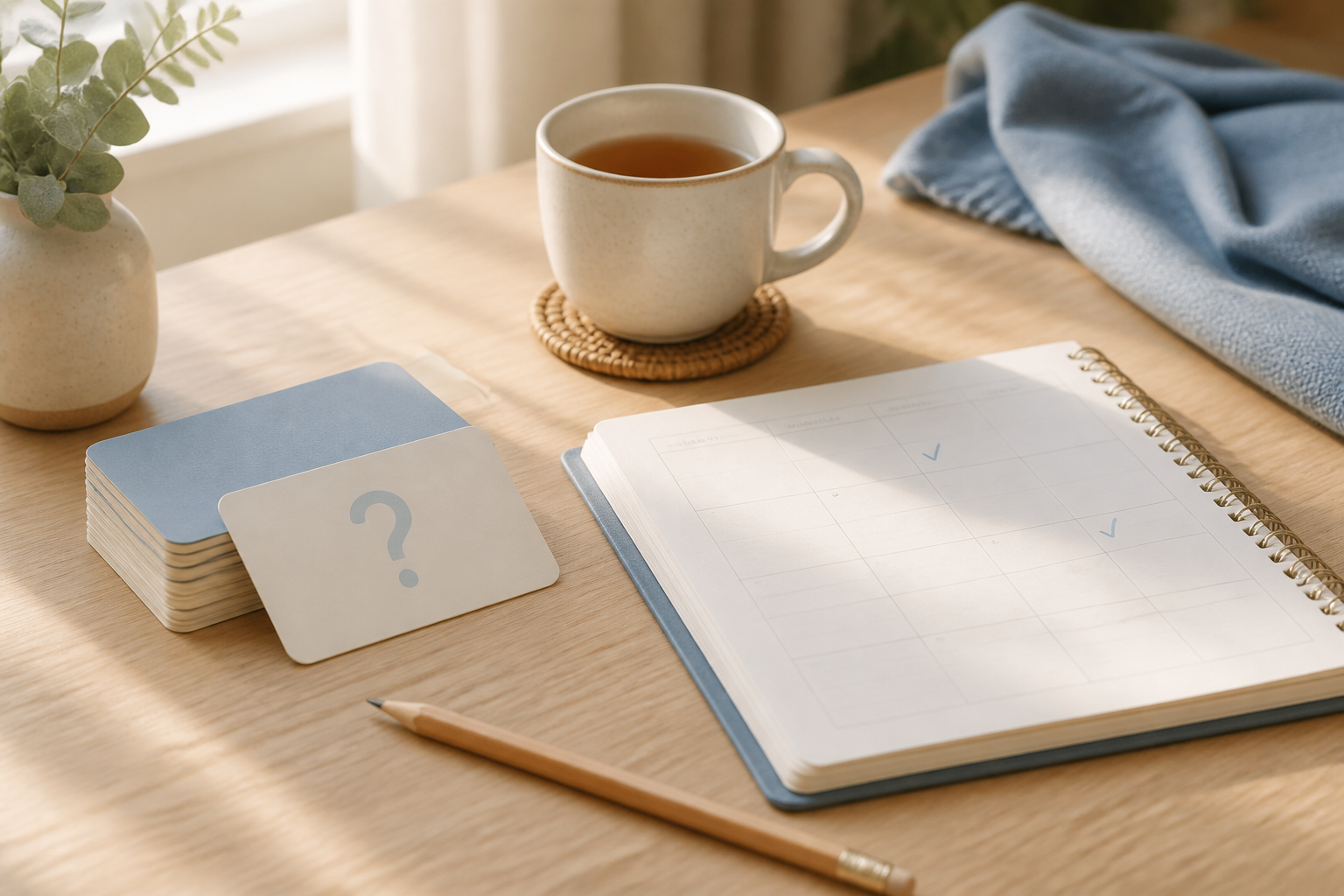
Build a small, useful Anki habit with clean cards, daily limits, spaced retrieval, and a simple plan for your first 50 notes.

Use cognitive load theory to design study: separate intrinsic, extraneous, and germane load; learn from worked examples; reduce split attention; and build practice that fits working memory.

Bjork’s desirable difficulties explained: spacing, retrieval, interleaving, generation, and variation—how to make study usefully hard without turning it into overload.

Protect deep study from phones, multitasking, and fake productivity — attention cycles, environment design, retrieval under focus, and sustainable routines.

In two experiments, mixing rock categories improved classification accuracy, but its effects on confidence differed between children and young adults.
Experiments found that interleaving supported similarity-based learning, while blocking supported rule finding—and the pattern remained about 48 hours later.

Monitor and regulate study with JOLs, calibration, planning, and strategy choice — so fluency, AI explanations, and liking a method stop fooling you.
In an artificial-language study, retrieval practice improved later memory and far transfer after one week, consistent with learning underlying rules.

How sleep supports memory consolidation, what happens after late-night studying, and a realistic sleep-and-study system for exams, skills, shift work, and adult learning.
Highlighted pages can feel learned while leaving you unable to recall or use them. Learn how fluency misleads and what to do with notes instead.

What active recall is, why it beats highlighting, blank-page and flashcard methods, pretesting, overt vs covert recall, and a daily retrieval habit.

Adult memory is trainable: aging myths vs lifestyle, retrieval and spacing, and a realistic weekly system for work and life — without miracle apps.
A classroom experiment (N=147) found fewer spelling errors after interleaved practice than blocked drills — gains held at an 8-week follow-up.

What interleaved practice is, why blocked drills feel better but transfer worse, how to mix problem types, languages, and clinical cases without chaos.

Two surveys (N=174 and N=233) show many seventh-graders underrate spaced and interleaved math practice even when research supports both.

In an intro microbiology course, spaced-repetition flashcards left exam means unchanged (p=0.27) while self-concept and “thinking like a microbiologist” improved.

In real primary classrooms, testing with feedback to 100% mastery beat rereading; lengthening the spacing interval between sessions showed no clear gain.

Children with DLD and typical language (n≈27) recalled novel words better with spaced retrieval than restudy when practice was built into picture-book reading.
What spaced repetition is, why it beats cramming, how to set intervals, Anki vs calendars, FSRS basics, and when spacing fails — evidence without hype.

Use ChatGPT and other AI tools without killing retention — retrieval-first workflows, verification habits, flashcards, exams, and when to close the chat.

In a within-subjects study (n=45), VSAQ practice had more errors than MCQs, yet practice format did not change final retention when no feedback was given.

Among 36 students, mature cards (>21-day interval), study hours, and unsuspended cards all correlated with Comprehensive Basic Science Subject Exam scores.

Two RCTs of a Counting Days incentive: within one course, spaced practice days rose and exam scores improved; lower prior GPA mattered less.

In middle-school classrooms, overt retrieval over five sessions outperformed covert mental recall and restudy on tests two days later.

Across 31 classroom effect sizes (N > 3000), spacing study over time outperformed massed practice (d = 0.54), with hints of larger gains at longer delays.

A survey of 103 students at two US medical schools links heavier LLM use to more knowledge and confidence — and finds flashcards among the least helpful uses.

Five years of spaced testing in a two-year pathology core curriculum tracked rising practice scores and faster in-service gains for UK residents.

In a Vienna RCT of 97 students, the Underwater game was non-inferior to simulator drills for cardiac POCUS, but both groups slightly declined after the initial workshop.

Among 523 Rouen candidates, spaced repetition remained an independent success predictor (aOR 2.09) alongside grades, sleep, sport, and prep courses.

Bio-inspired spaced training with controlled variation boosted ANN benchmarks; Drosophila experiments backed the same spacing-plus-variation principle.

A pillar longread on AI and human intelligence: definitions, architecture, learning, memory, error patterns, creativity, accountability, and practical collaboration.
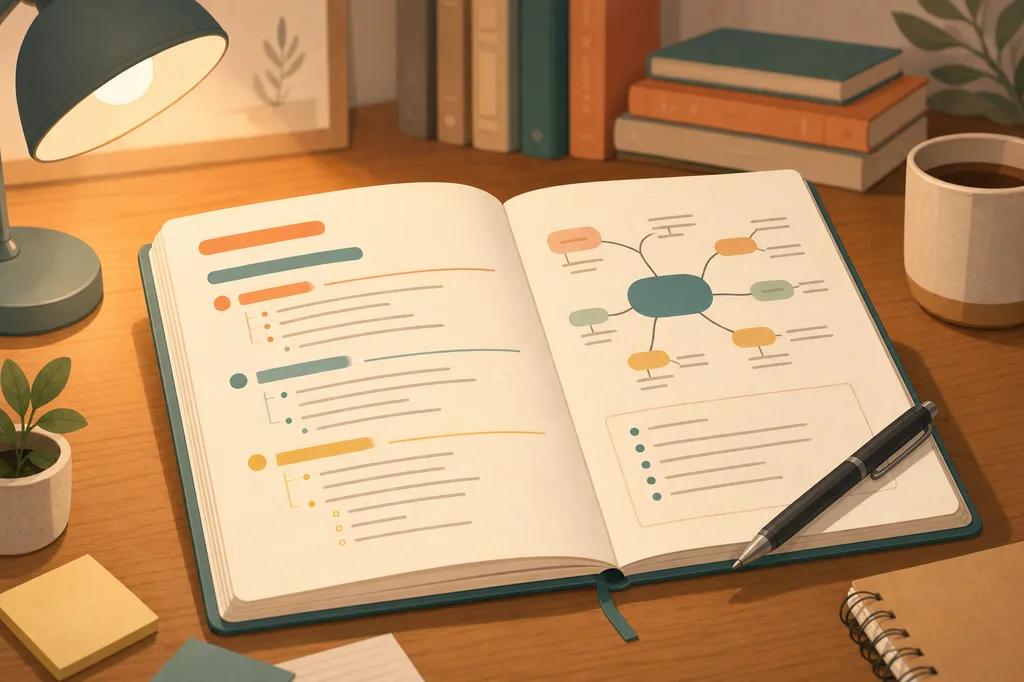
Why most notes fail, Cornell and mind maps, lectures and books, paper vs digital, and how to turn notes into a learning system with active recall and spacing.

A science-based approach to exam prep: active recall, spaced repetition, a 30-day plan, and what to do on exam day — without cramming and the illusion of knowing.

One structured guide to critical reading in the age of feeds and AI summaries — layers of evidence, rhetoric, daily habits, steelman, and tools that support reflection without cynicism.

Before you push back on an article, try the strongest version of its argument — then list what it takes for granted.

Small routines — pause, label, question, compare — that build critical reading without turning every scroll into homework.
From memory mechanisms and the forgetting curve to active recall, spacing, mnemonics, Anki, and your own learning system — an evidence-based guide without myths.

Clear prose, vivid stories, and confident tone can persuade without proving. Here is how to notice rhetorical craft without becoming cynical.

Eleven studies suggest Anki often links to better USMLE Step 1 scores when use is frequent — but course exam results are more mixed.

Learn to separate what a text asserts, what it supports, and what it merely implies — the core move of critical reading.
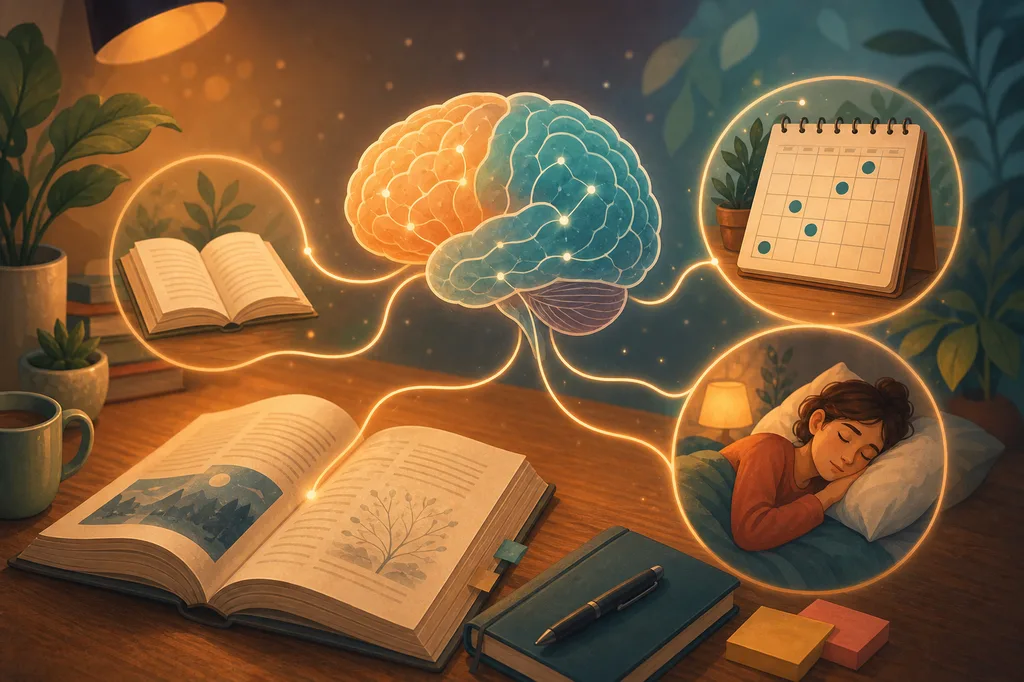
A practical guide to what happens in your brain when you study — encoding, consolidation, retrieval, cognitive load, sleep, and why spacing beats cramming.
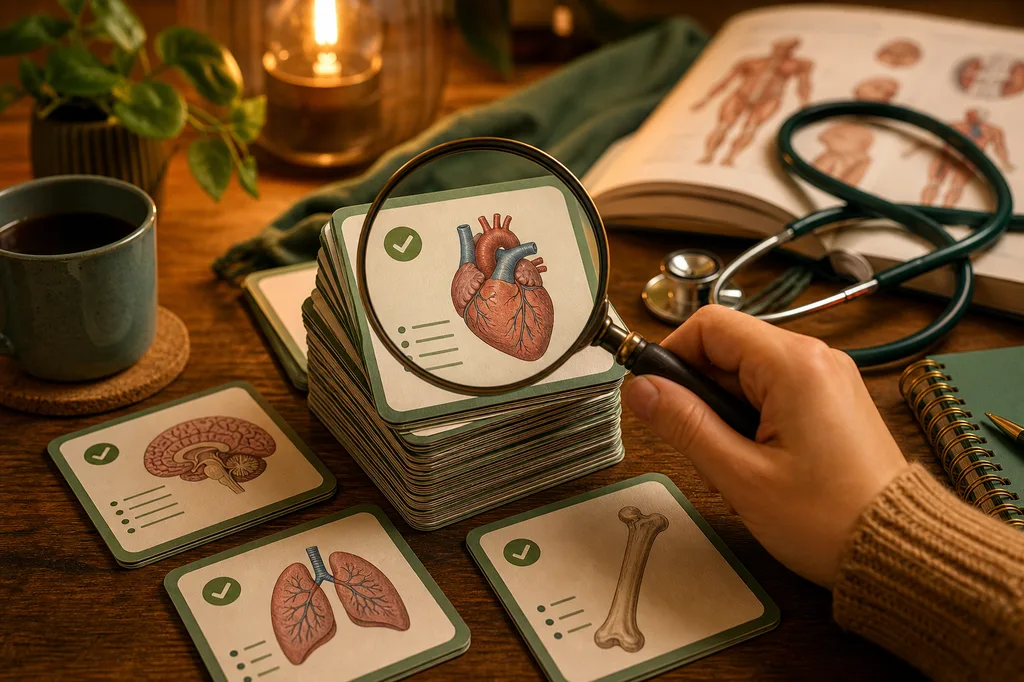
A qualitative review of 1,179 cards from popular med-student decks found varied question types — yet limited clinical complexity overall.

Sixty health students using the MedQuiz serious game plus lectures scored higher right after training than lecture-only peers; long-term retention was not measured.
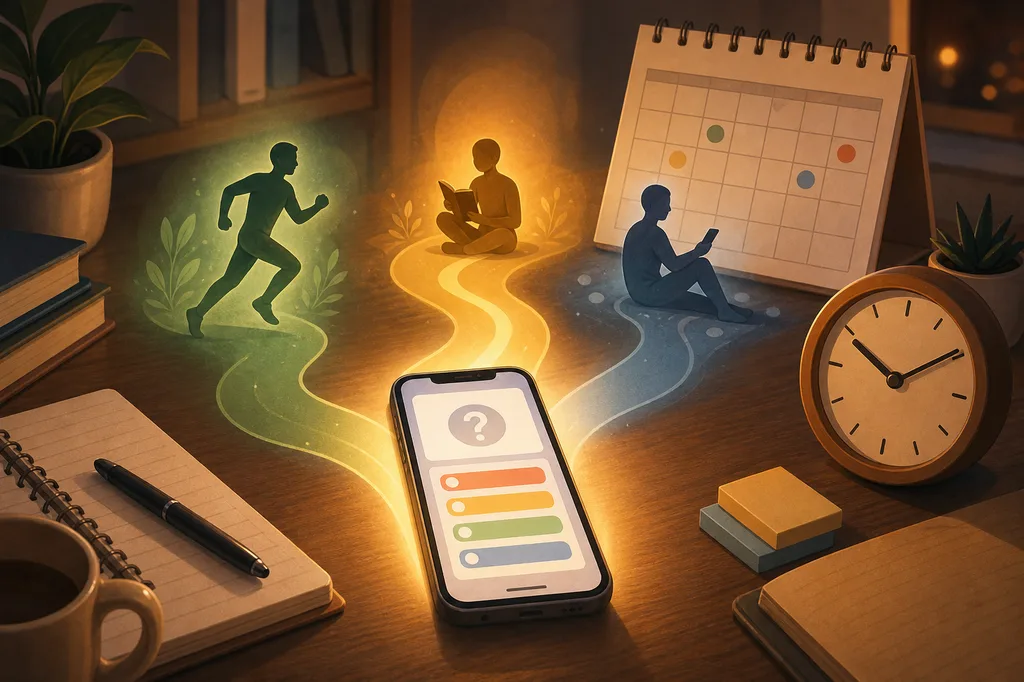
Learning analytics on a retrieval-practice app found active, disengaged, and utilitarian user profiles; active use and time management linked to higher exam scores.

In sea-slug neurons, a second training block worked best about one day after the first — not sooner or much later — hinting at a biological timer for spaced practice.

In one endodontics course, students scored higher on material quizzed after each lecture than on material they only heard once — with a large effect size.

Speed reading is not the same as understanding. Here is why structured thinking about texts remains a learnable skill — not cynicism.

Turkish fourth graders who used Brain Breaks activity videos for four weeks showed stronger attentional control and higher social studies quiz scores than classmates without the breaks.

A 2024 meta-analysis of children aged 3–6 links structured music training to better inhibitory control, working memory, and cognitive flexibility, with dose hints for parents and teachers.

After accounting for study quality, a 2020 review of nearly 7,000 children finds no reliable boost to general cognition or grades from music programs — a caution for “brain training” claims.

HiddenLogic introduces ThinkLens — a Telegram bot that breaks down claims, evidence, and rhetoric without labeling texts true or false.

A 2026 systematic review of randomized exercise studies in 8–17-year-olds finds consistent attention gains, underscoring why PE and movement belong in learning-science conversations.
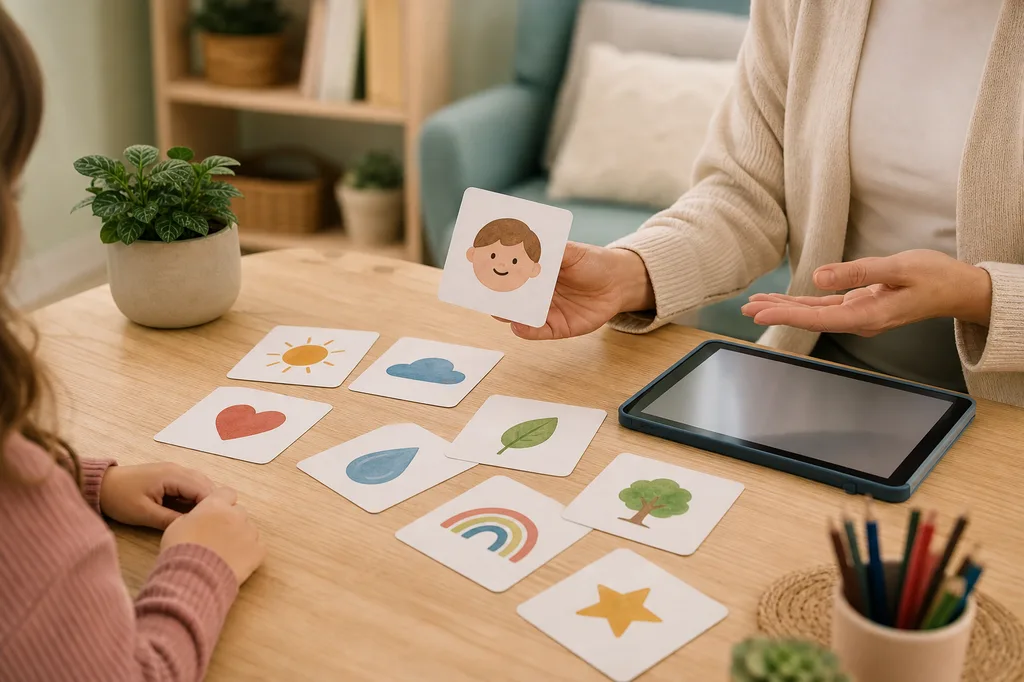
A single-case alternating-treatments study compared receptive labeling with flashcards versus tablet slides for a six-year-old child with ASD.
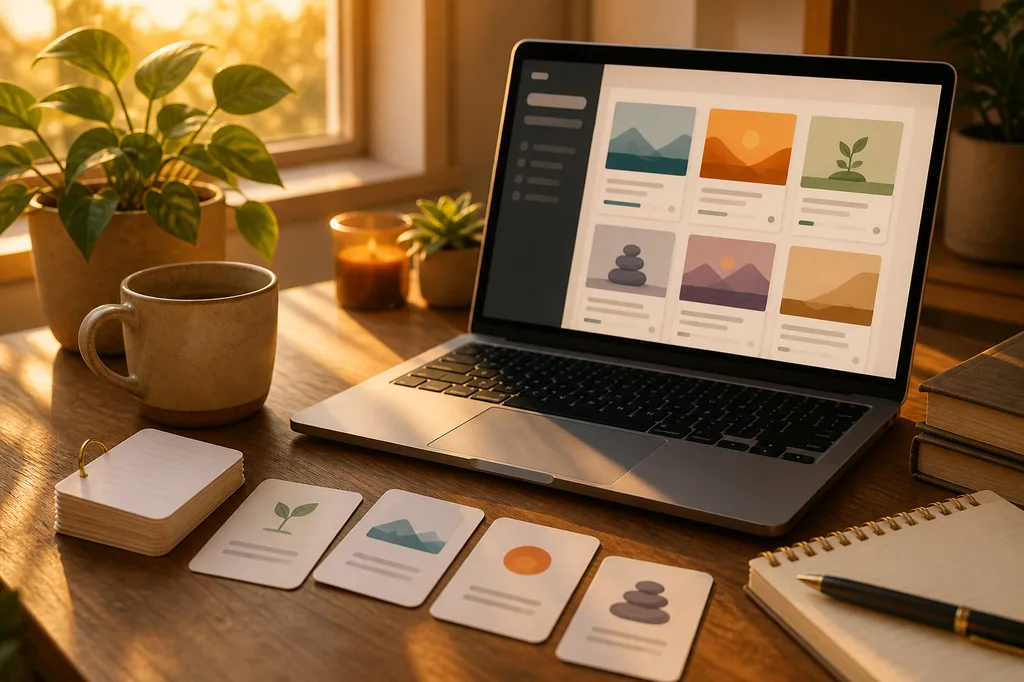
Postgraduate trainees in a PLOS ONE pilot used flashcards and micro-lectures in an online course; mean scores rose from about 44% to 96%.

A conceptual review argues that flashcard-based spaced repetition could help plastic surgery residents retain broad surgical knowledge.

A study of graduate-entry medical students found no overall exam advantage for casual Anki users — but students who used it consistently and extensively performed significantly better.
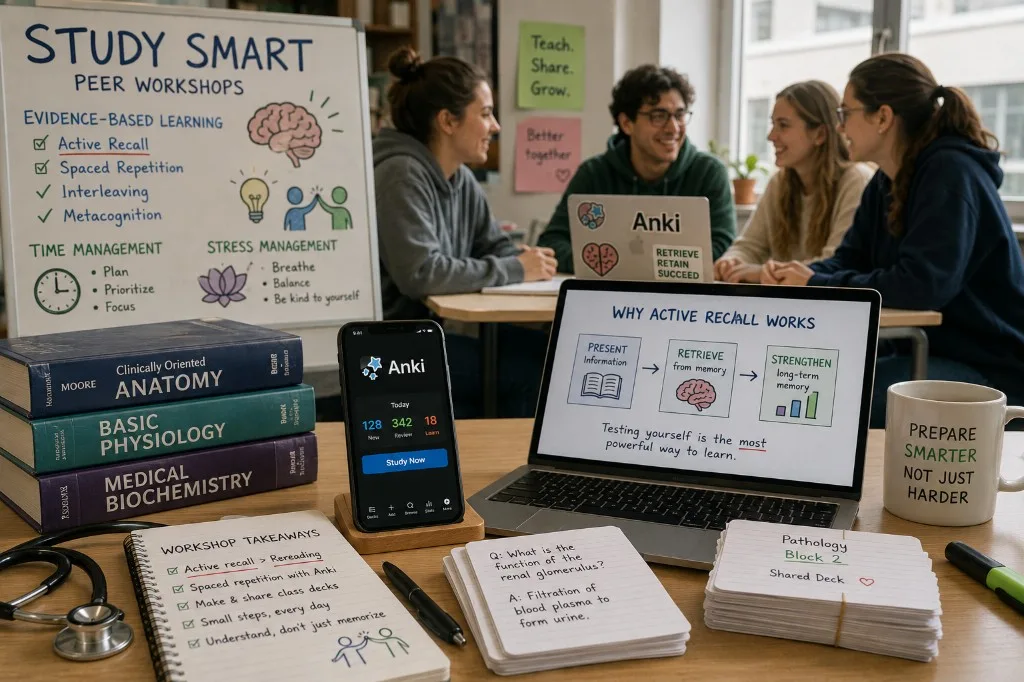
A German “Study Smart” program found that students who attended peer-led workshops were more likely to adopt active recall and shared Anki decks.
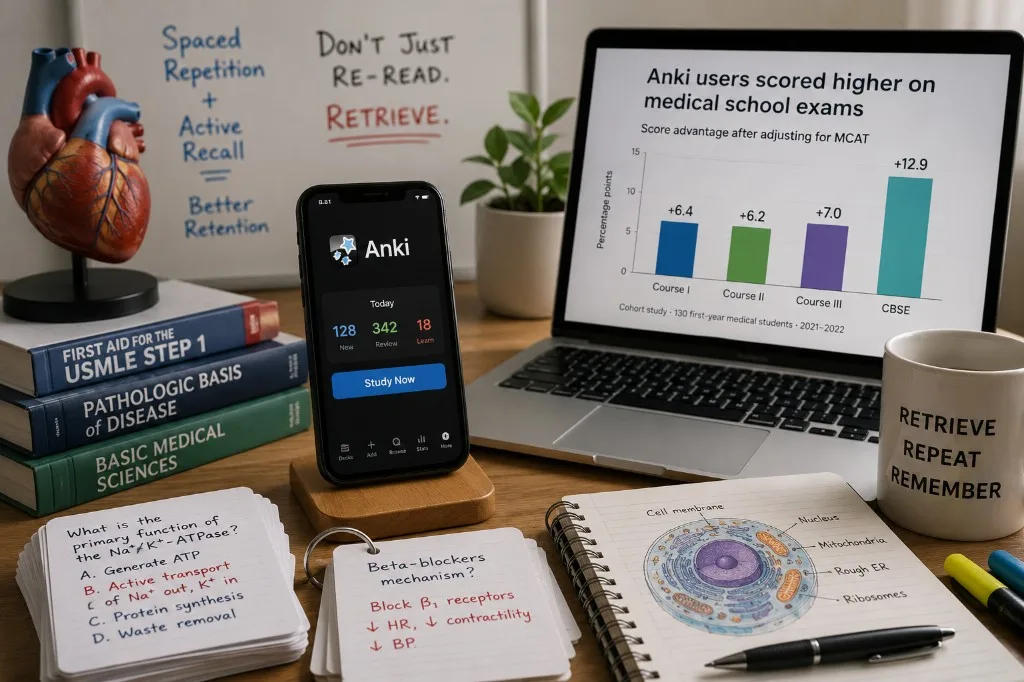
A cohort study found that medical students who used Anki scored higher on exams on average, even after accounting for prior test performance.

A small emergency medicine residency study suggests that even a single structured session using retrieval practice and explanatory questioning may improve both short- and longer-term test performance.
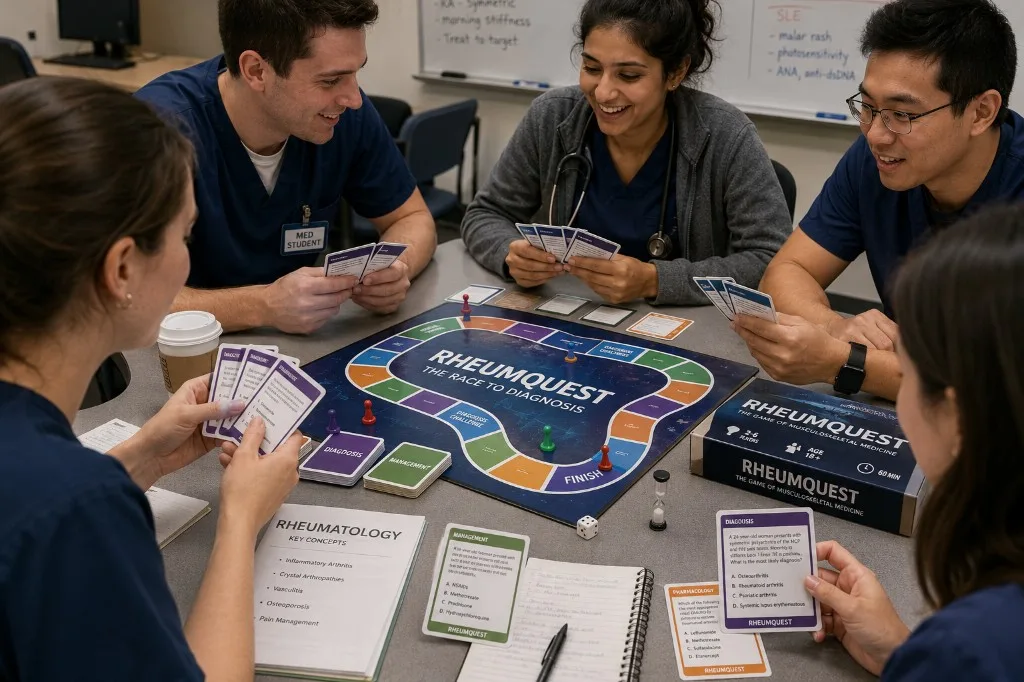
RheumQuest paired competitive gameplay with clinical Q&A cards; knowledge scores rose modestly and confidence improved in a one-hour clerkship session.

A survey of 318 students found Anki users report better retention for pharmacology and pathology, though grades did not differ significantly.

A 2026 Sensors paper reports that DRAKT, which combines reinforcement learning with a forgetting curve, predicted student performance better than common baselines.
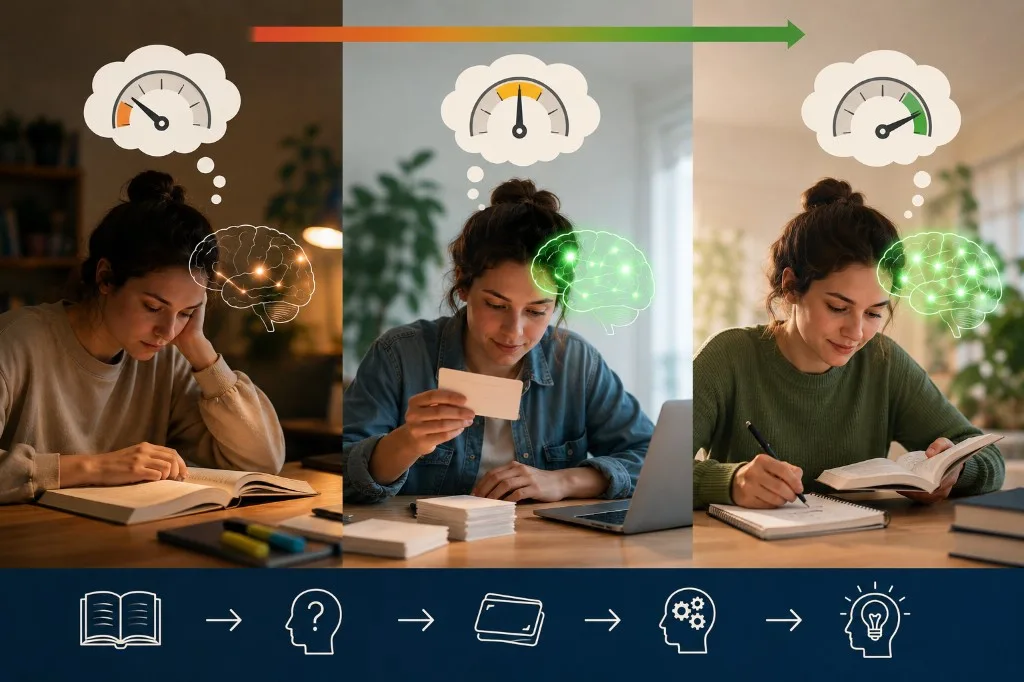
Three experiments suggest that predicting how well you will remember something can improve memory — but the benefit shrinks when learners already use effortful strategies like spaced repetition or reading aloud.

A small RCT in knee-surgery instrument nurses found forgetting-curve scheduling beat conventional review — with gains still visible one month later.
A review of nearly 24,000 scientific papers suggests retrieval-practice research still pays limited attention to neurodivergent learners and learning disabilities.
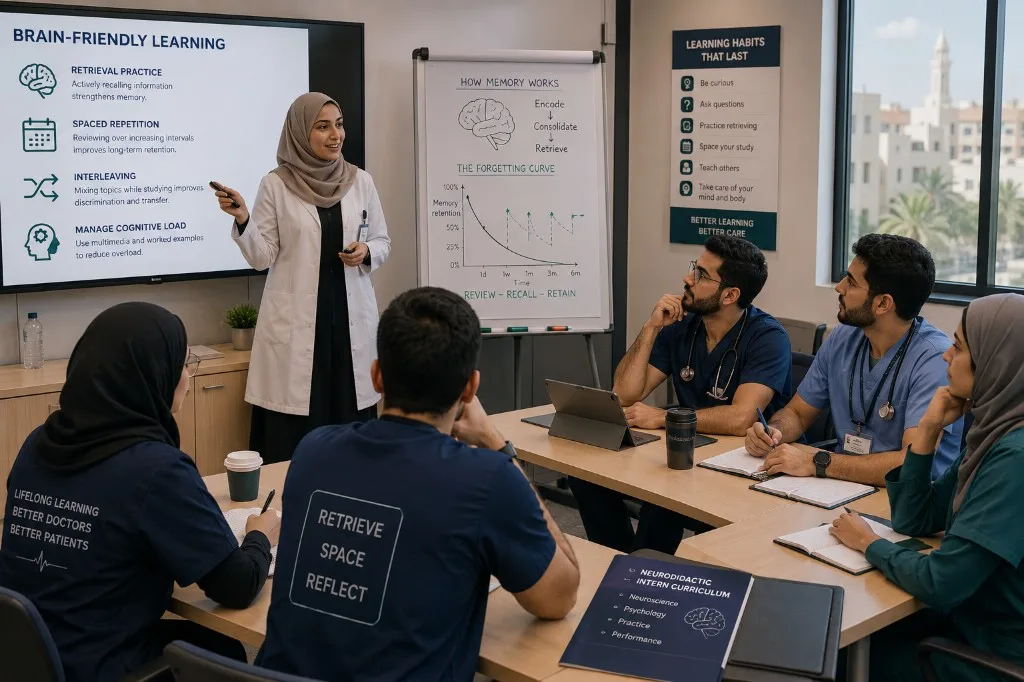
Saudi medical interns took modules on brain-friendly study habits; surveys showed higher engagement, lower reported stress, and improved workplace assessments.

Students in an Indian medical college improved their exam performance after combining retrieval practice with supervised ChatGPT use.

A survey of 31 UK medical students found PassMedicine, Anki, and other external resources dominated AKT prep, with ChatGPT emerging as a study aid.

A mandatory VR module on rapidly progressive glomerulonephritis raised pre-post test scores with high acceptance; tutor-guided sessions beat self-paced ones by 5.5 points.
Two Prolific-based studies found no clear advantage for retrieval practice over restudying, despite delayed tests, feedback, and attention checks — raising questions about online learning research conditions.

A large survey suggests many students already know about retrieval practice and spaced learning, yet avoid them because they feel difficult, stressful, or time-consuming.
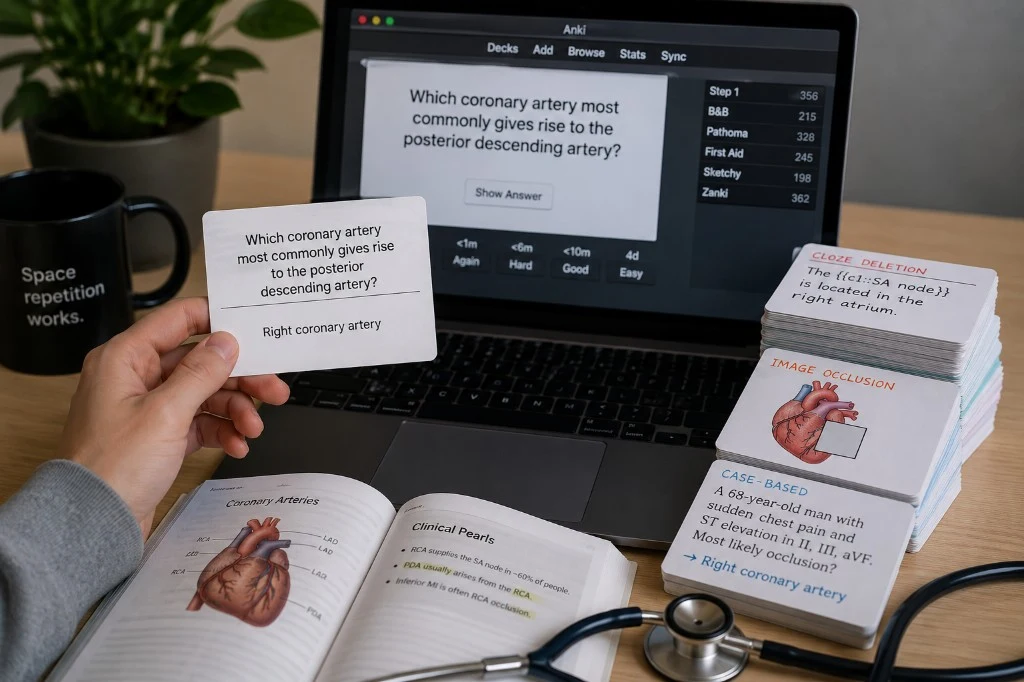
The DEAME framework gives educators and students a shared vocabulary for electronic flashcard design after analyzing 1,300 cards from popular medical Anki decks.
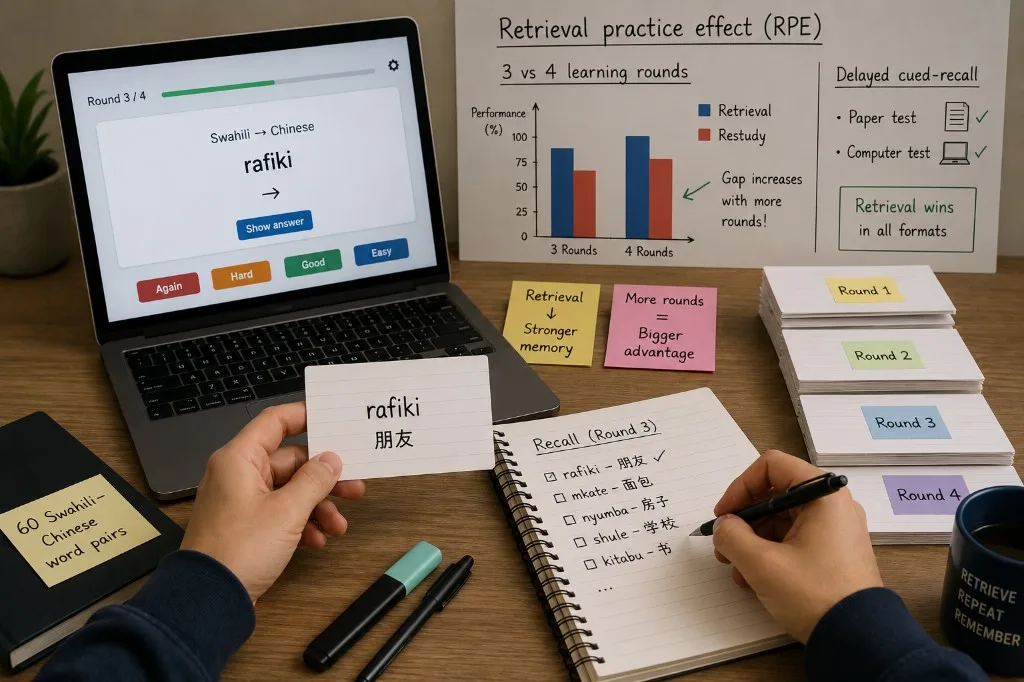
A vocabulary-learning study suggests the advantage of active recall over passive rereading becomes stronger as learners complete more rounds of retrieval practice.
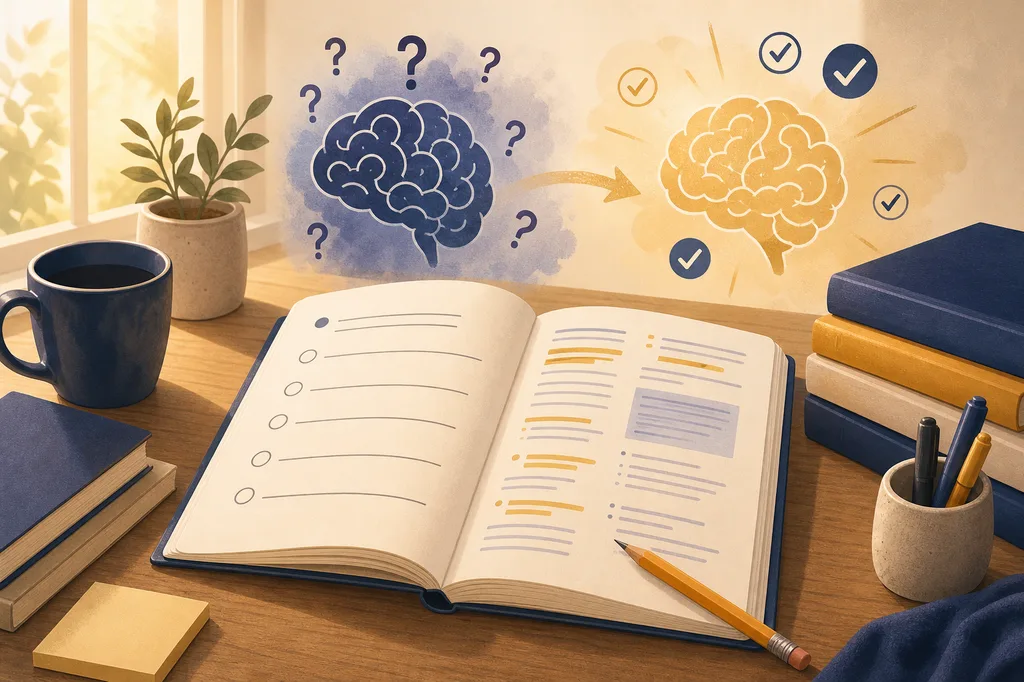
Three experiments found pretests, post-tests, and copy-test-copy all beat passive copying — yet learners underestimated how much testing helps.
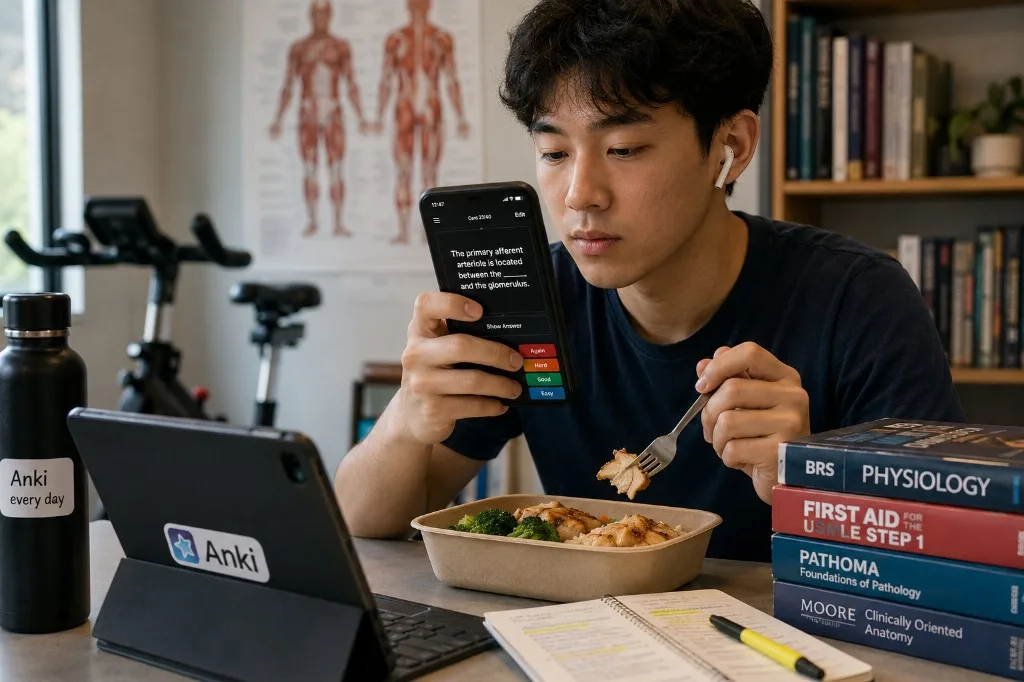
A survey of 74% of one U.S. medical class found heavy reliance on pre-made decks, fill-in-the-blank cards, and multitasking during Anki sessions.
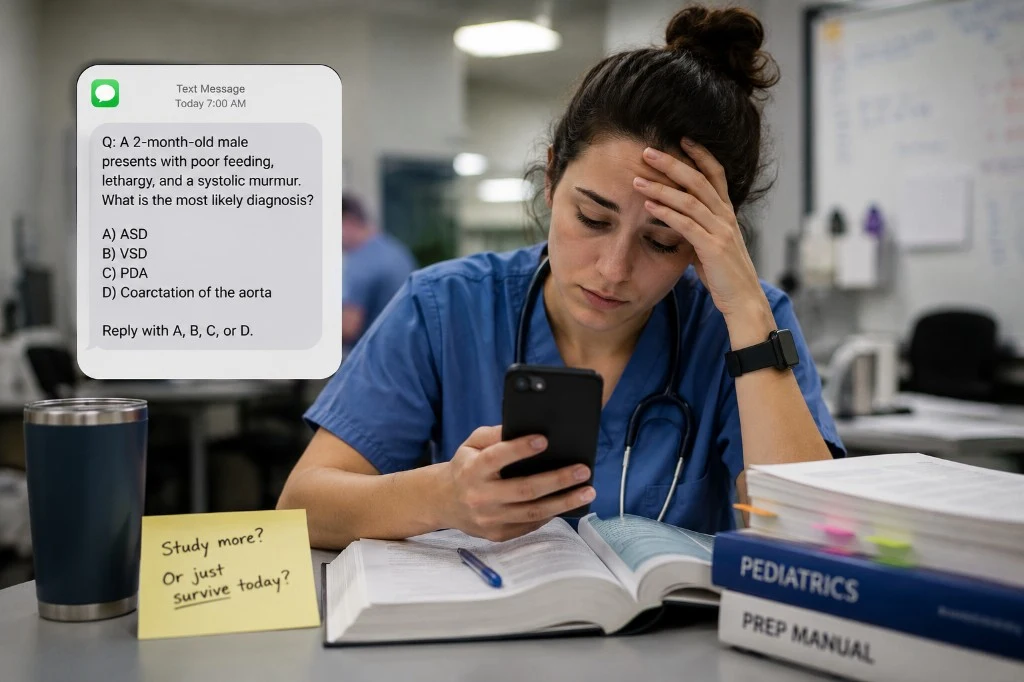
Nearly 300 pediatric residents received one practice question per day for a year — but most barely engaged, and exam scores did not meaningfully change.

Experiments with five- and six-year-olds suggest young children benefit from retrieval practice when learning is structured around frequent early success.

A 2025 JMIR AI study found GPT-4 far outperformed ChatGPT-3.5 on 598 emergency medicine board questions, while custom Anki tuning showed no clear accuracy gain.

A two-group study of 52 operating-room nursing students found both 13-card flashcard sets and a 6-minute video improved test scores; the video group led on the post-test.
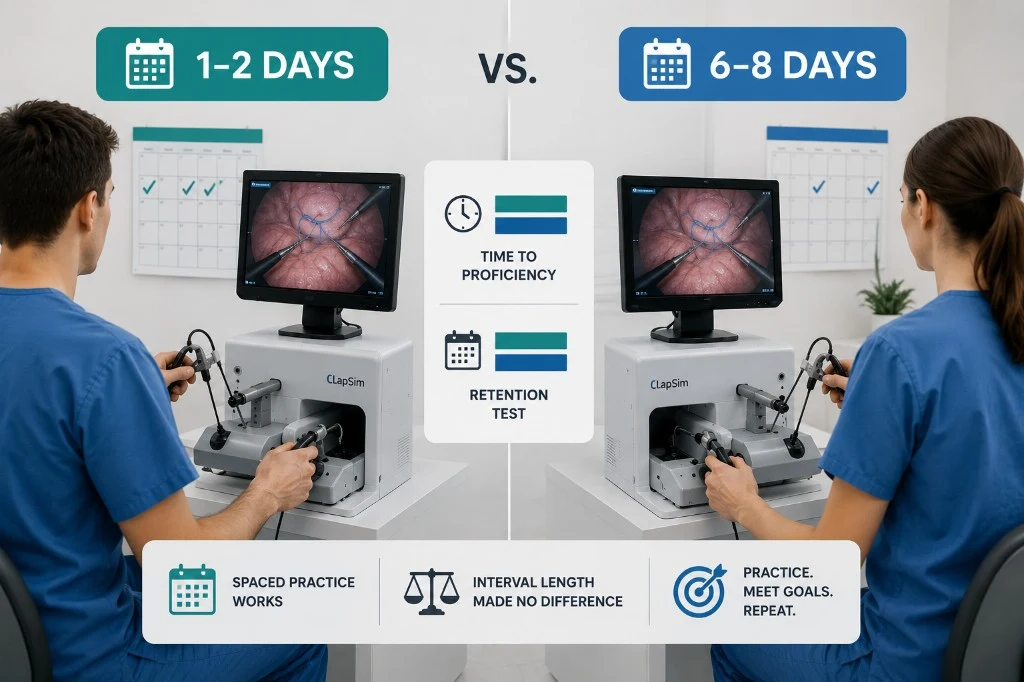
Medical students training on a laparoscopy simulator reached proficiency in similar time whether sessions were spaced by 1–2 days or nearly a week.

In a MedEdPORTAL report, 102 medical students used the Candy Gland diabetes board game and showed modest knowledge gains plus higher confidence.